HISTORIC PRESERVATION
Historic Preservation and Adaptive Reuse are vital in architecture because they extend the life of existing buildings, conserving cultural heritage while reducing the environmental impact associated with demolition and new construction.
By giving old structures new purpose, these approaches reduce waste, save resources, and help communities grow in ways that respect both their history and their future.
FEATURED HISTORIC PROJECTS
THE HONOLULU MUSEUM OF ART
HISTORIC RENOVATIONS
Honolulu, Hawai‘i
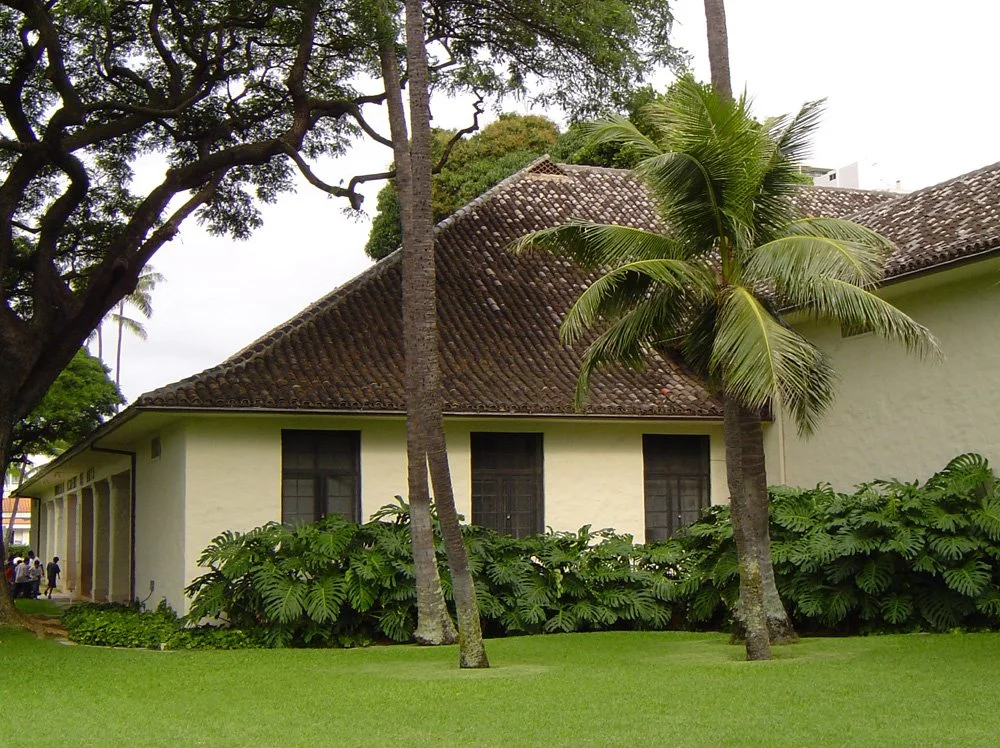
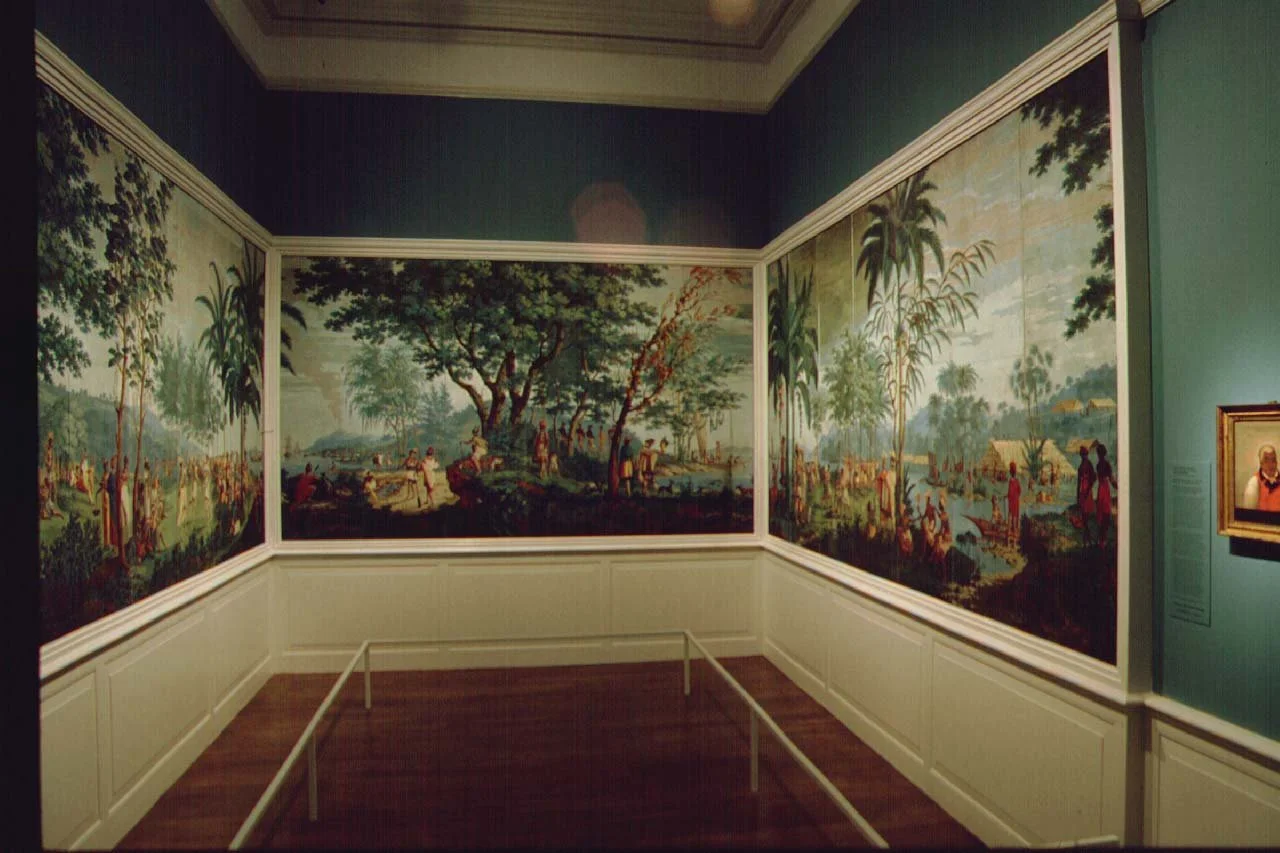
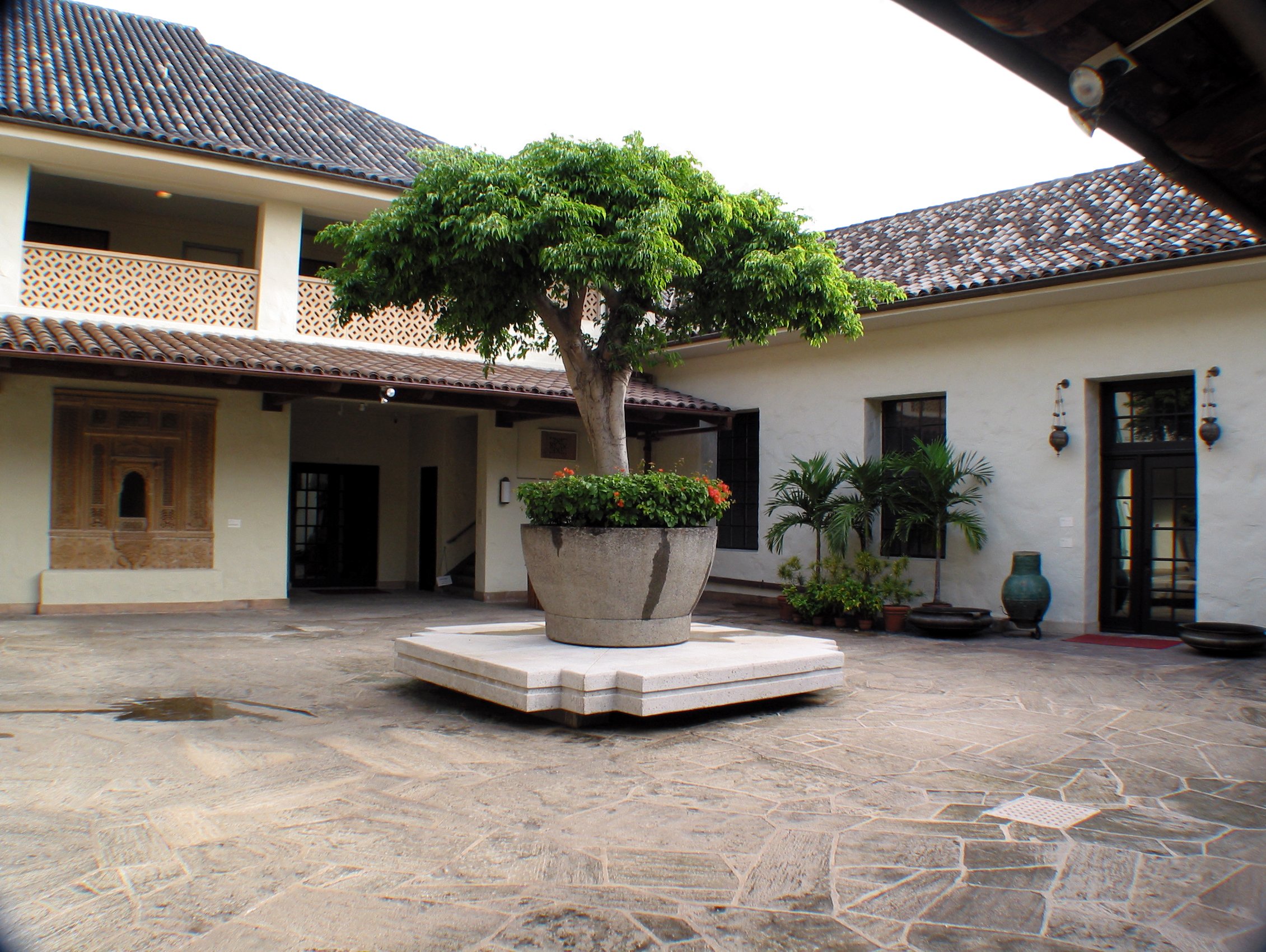
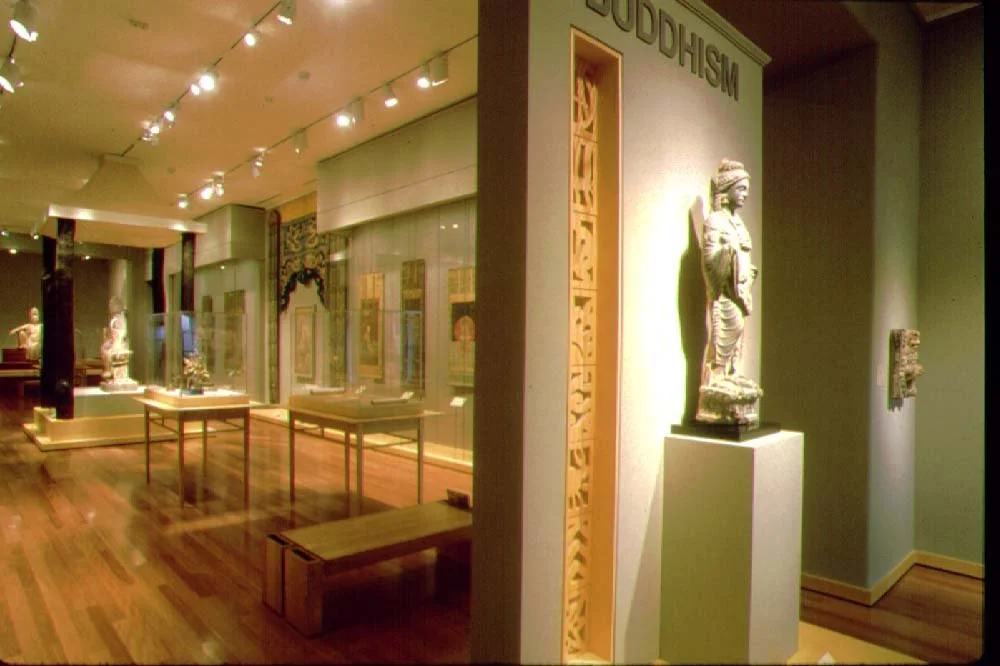
Founded by Anna Rice Cooke and designed by New York architect Bertram Goodhue, the Honolulu Art Museum (formerly Honolulu Academy of Arts) opened its doors in April of 1927. The Museum is accredited by the American Association of Museums and is listed on both the National and State registers of historic places.
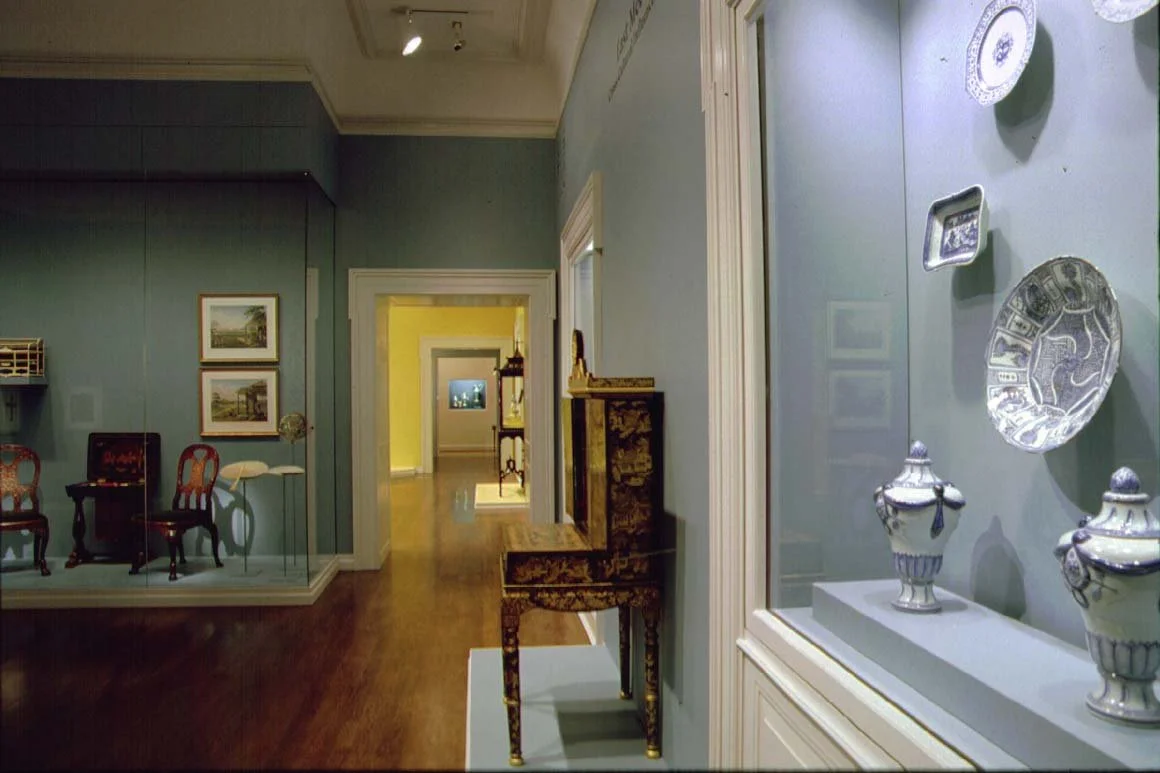
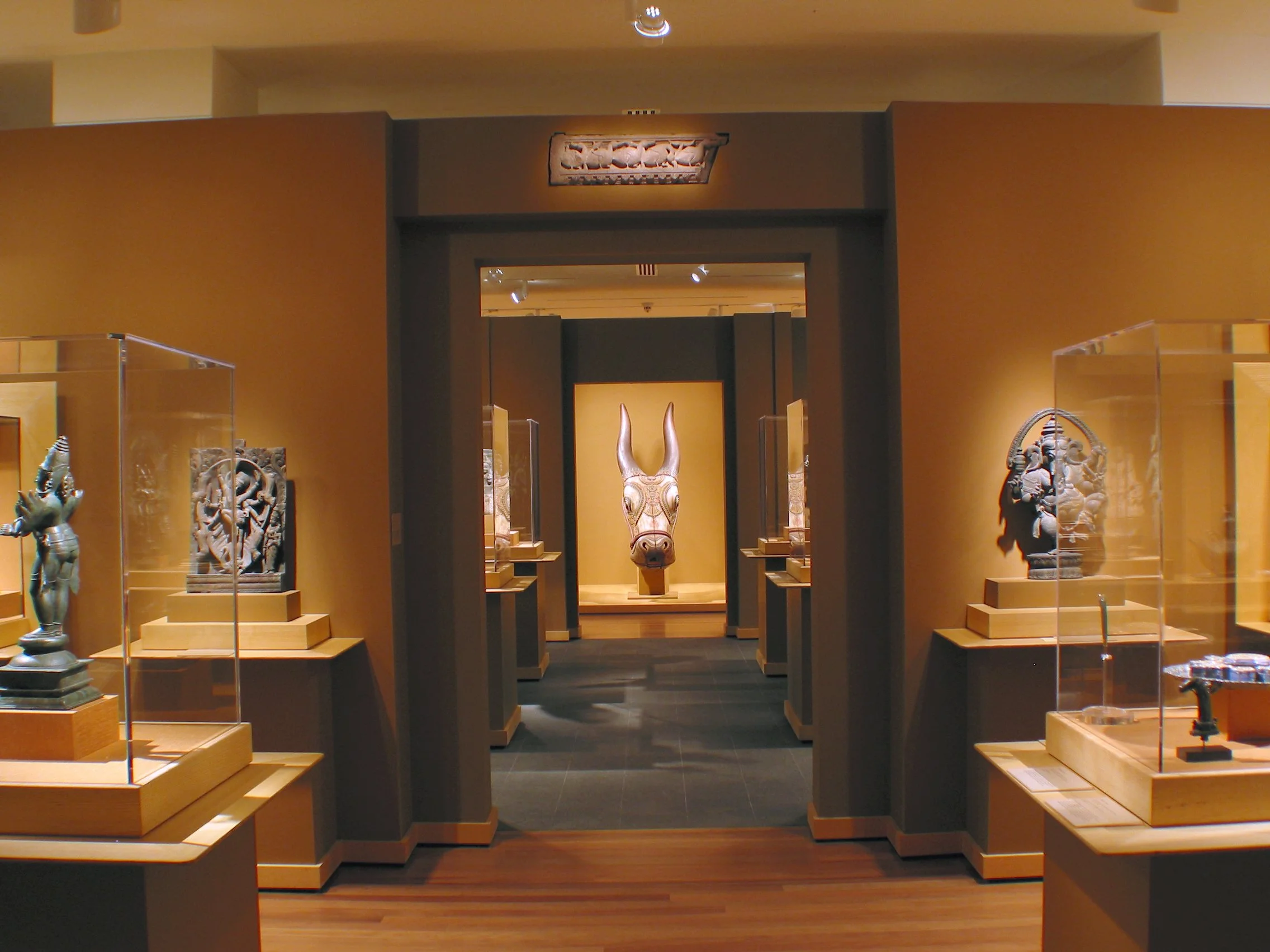
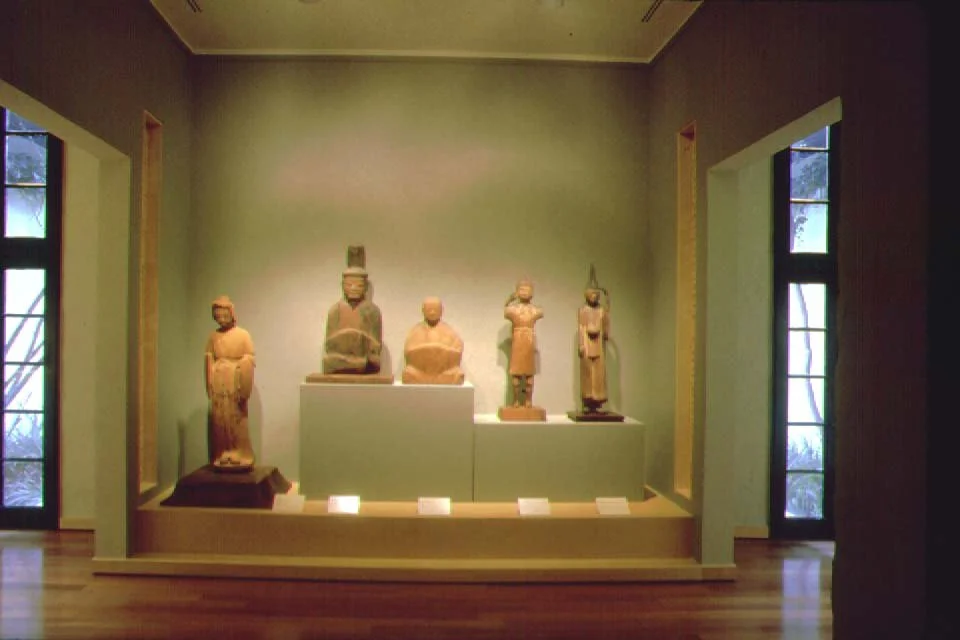
Ferraro Choi was retained by the Museum to renovate its historic galleries. The original galleries were naturally ventilated and illuminated by a combination of electric lighting and daylight. Although an open environment was acceptable in past years, such provisions did not meet contemporary museum standards and severely limited opportunities to expand collections.
The project involved extensive interior renovation and reinstallation of the entire original 1927 museum and 1960 education wing in a phased series of complex projects spanning eight years. The finished project celebrates the Museum’s historical architecture while quietly integrating contemporary environmental control, which will allow the Museum to broaden its offering of international collections that include Western, Asian, Korean, Japanese, Indonesian, Southeast Asian, Philippine, Indian, and Islamic art.
Year Completed: 2006
Service Type: Architecture + Interiors
Size: 17,000 Sq. Ft.
ALA MOANA PUMP STATION
Honolulu, Hawai‘i
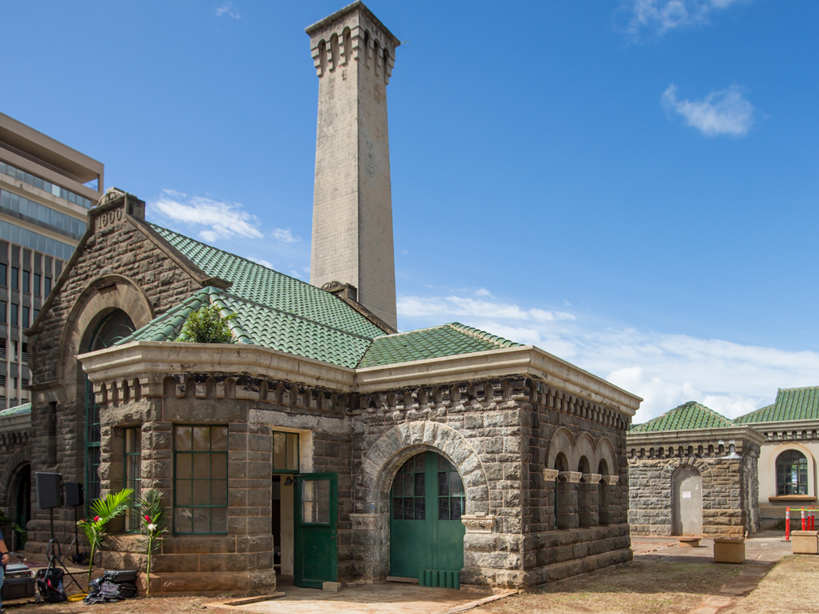
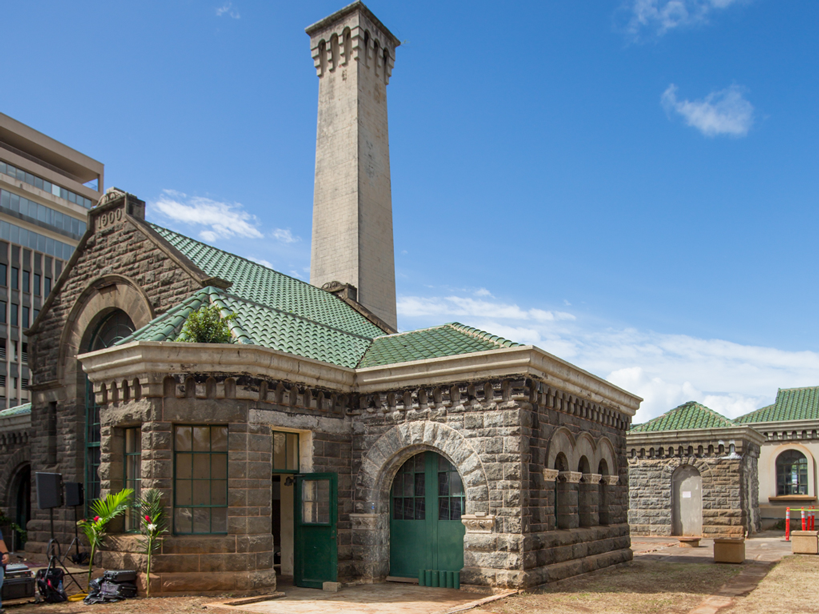
Designed by renowned architect Oliver G. Traphagen and built in 1900, the Kakaako Pumping Station was Honolulu’s first waste disposal facility, needed to address the serious sanitation problems of the rapidly growing city. Constructed of locally quarried bluestone and concrete, the Industrial Romanesque style building features large arched windows, a mission tile roof, and a landmark 76-foot tall exhaust stack. Listed on the State and National Registers of Historic Places, the pumping station is located on an acre of land between Kewalo Basin and Downtown Honolulu, at Ala Moana Boulevard and Keawe Street.
Today the historic building is being repurposed into a community resource center for seniors. Working with the Hawaii Community Development Authority and the Hawaii Architectural Foundation, Ferraro Choi provided pro bono design services to prepare bridging documents, used to solicit Design-Build bids to renovate and refurbish the iconic structure. The new community center will cater to the senior population with intergenerational programs that bring in Hawaii’s youth to help older adults through workshops and services.
Project challenges included a modest budget, the preservation of the steel doors and windows, and providing air conditioning to large open spaces designed for natural ventilation.
Year Completed: 2017
Service Type: Architecture + Interiors
Size: 1,350 Sq. Ft.
YWCA OF OAHU AT LANIAKEA
Honolulu, Hawai‘i
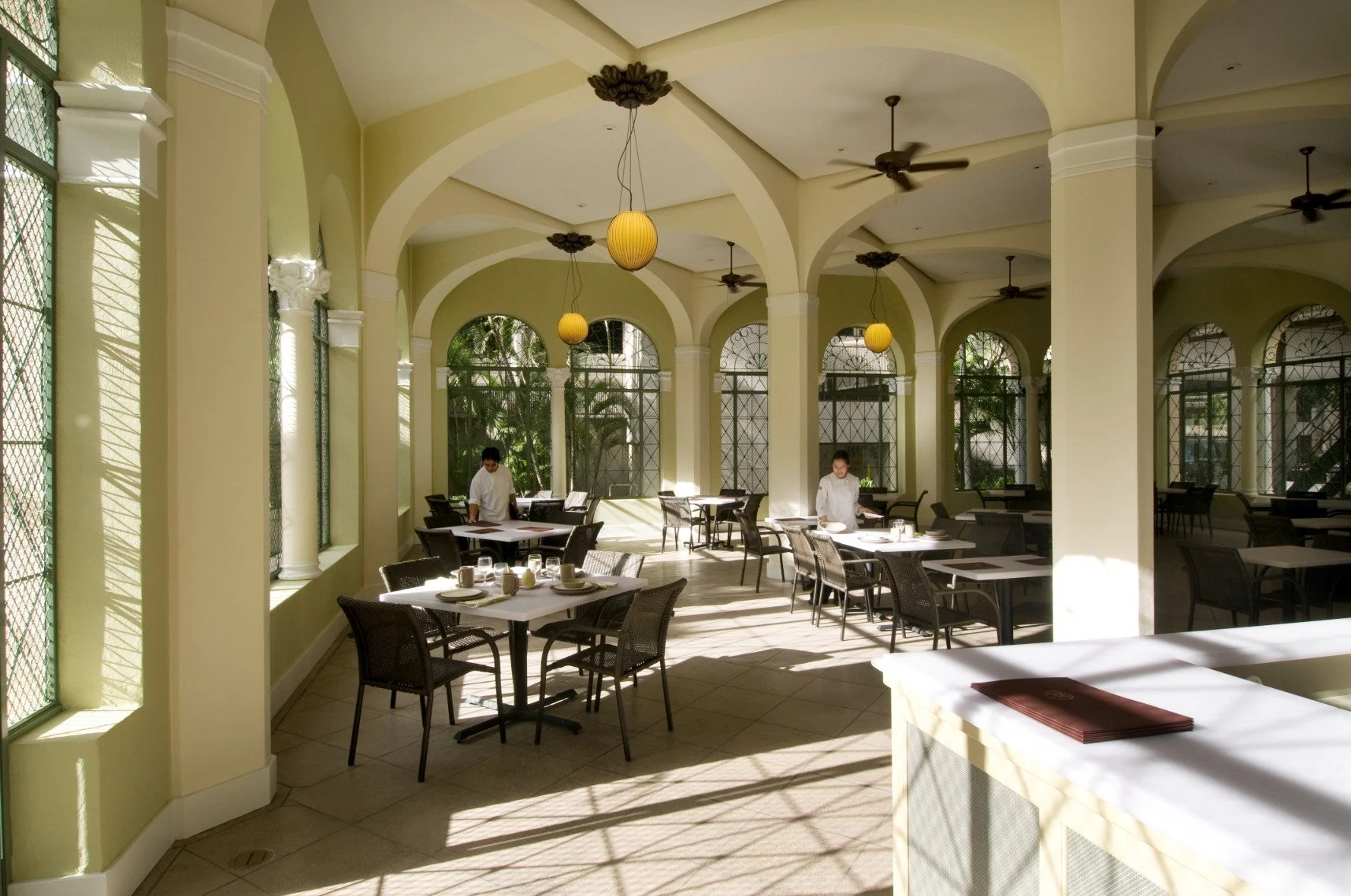
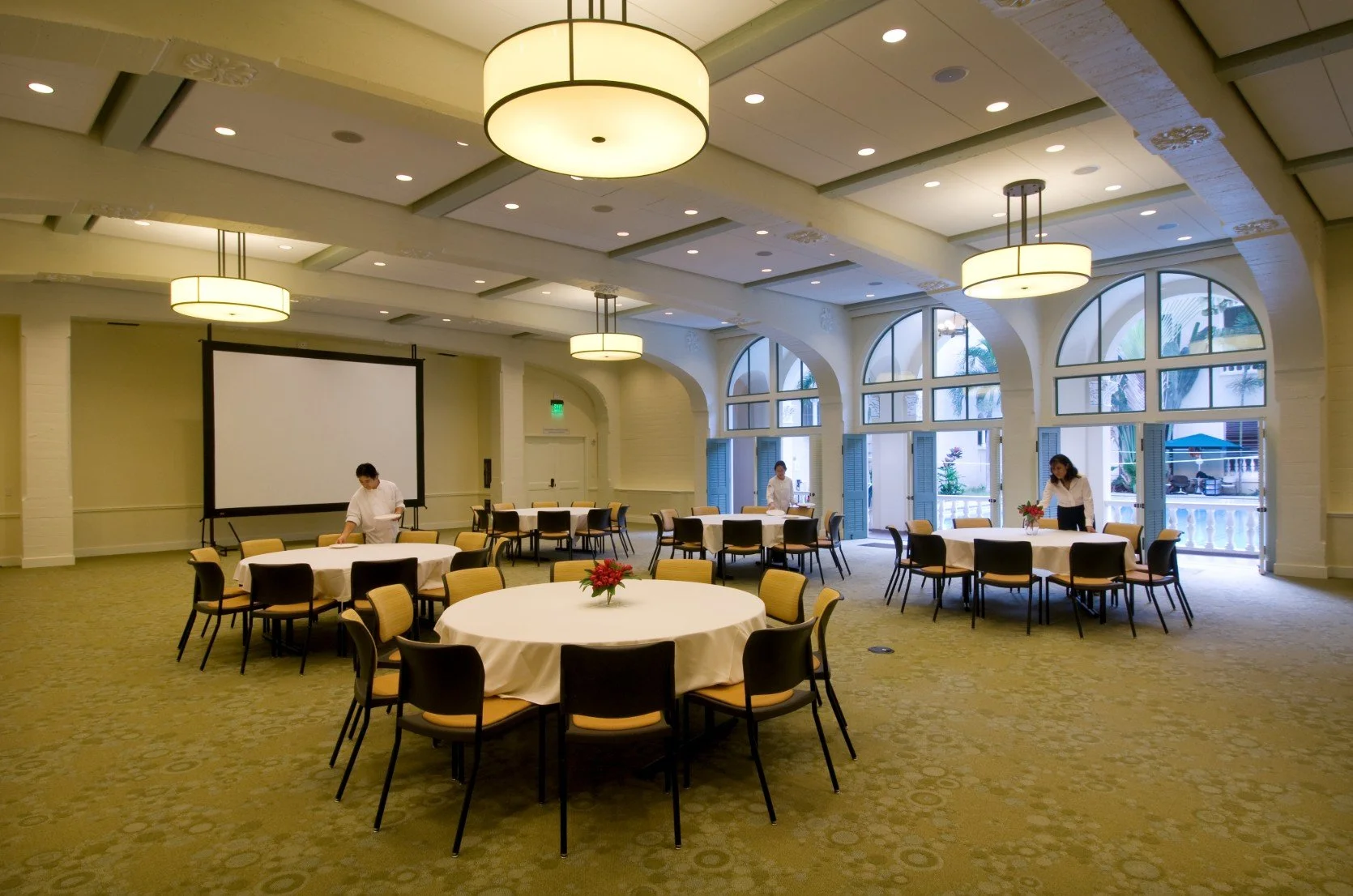
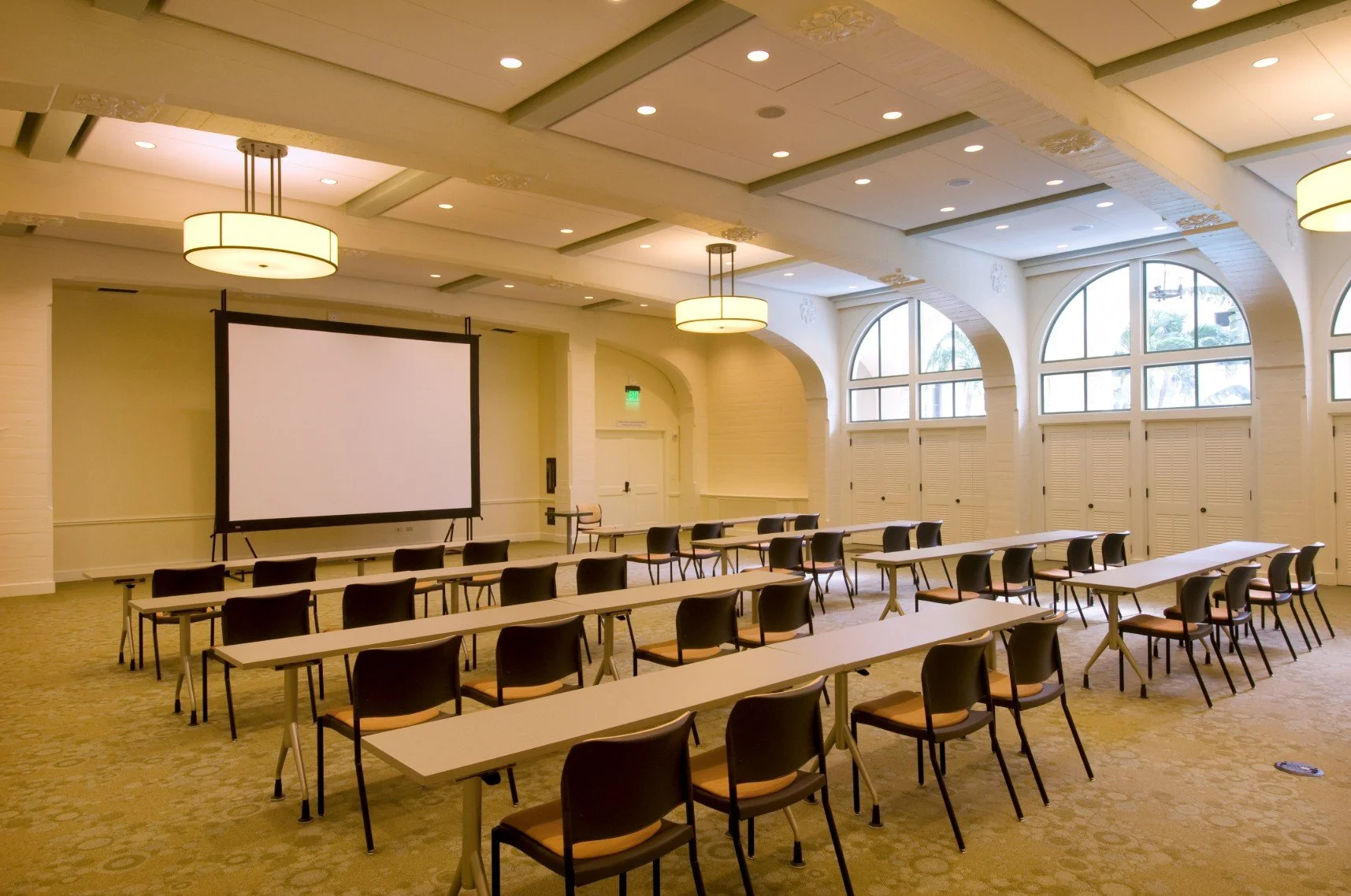
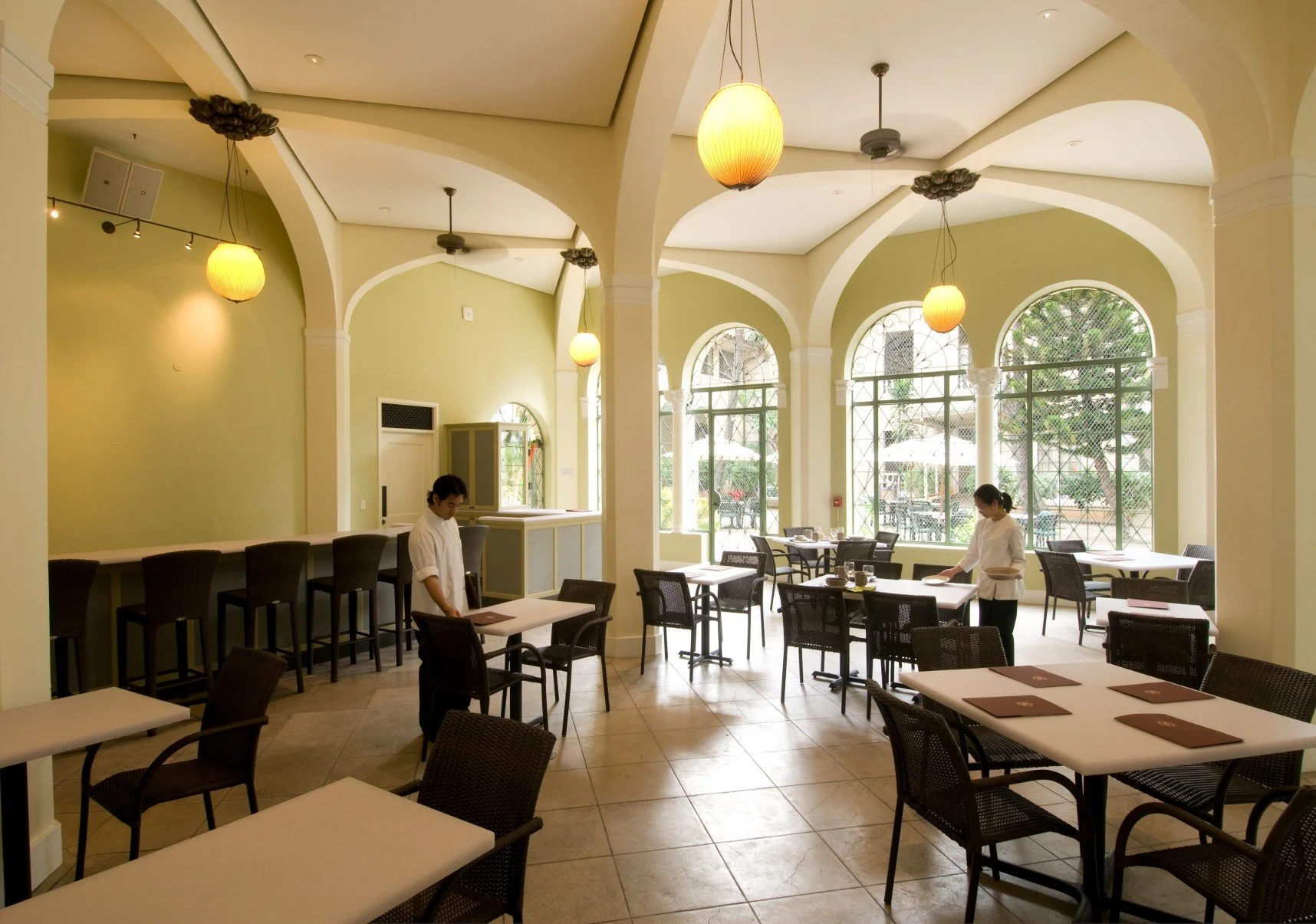
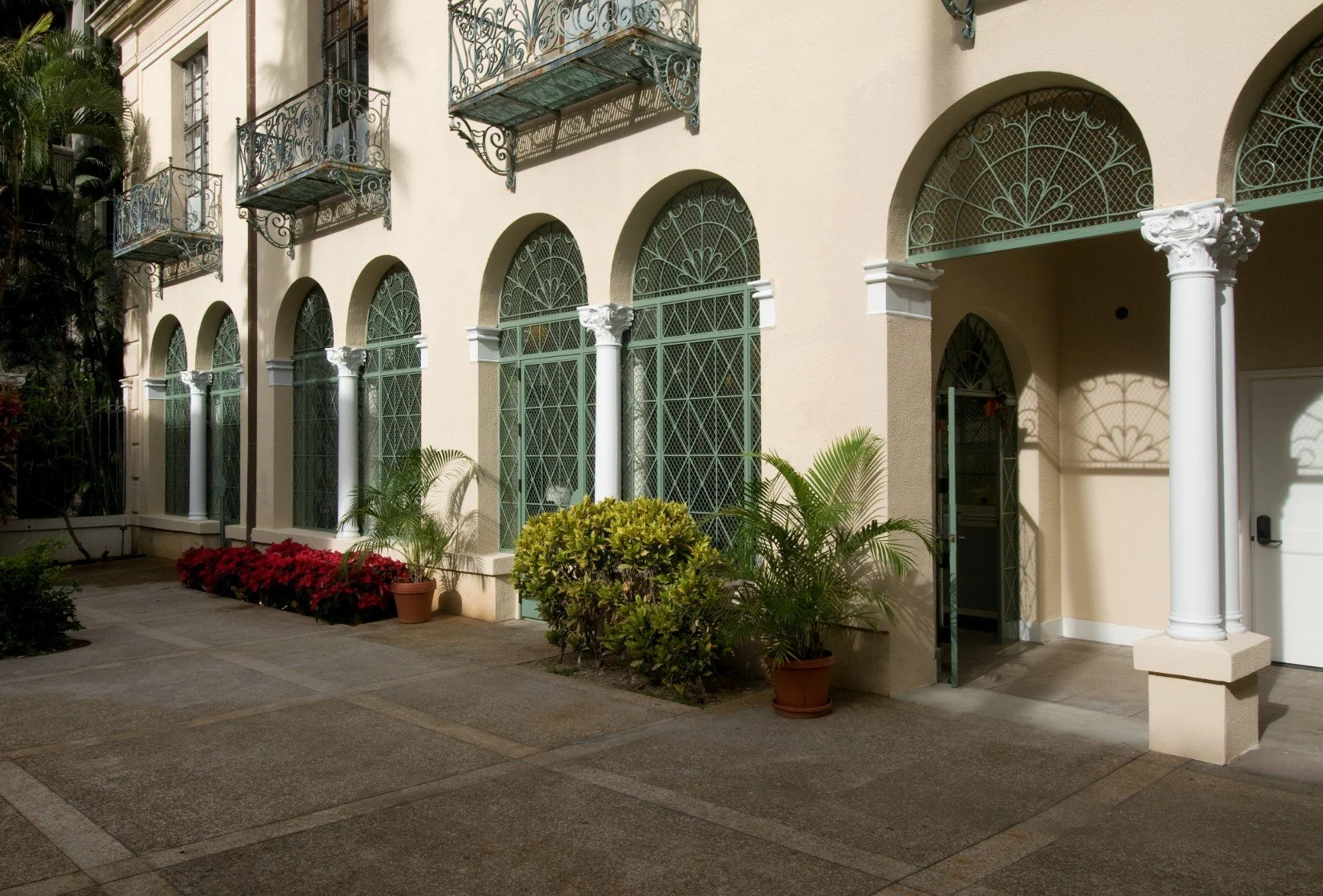
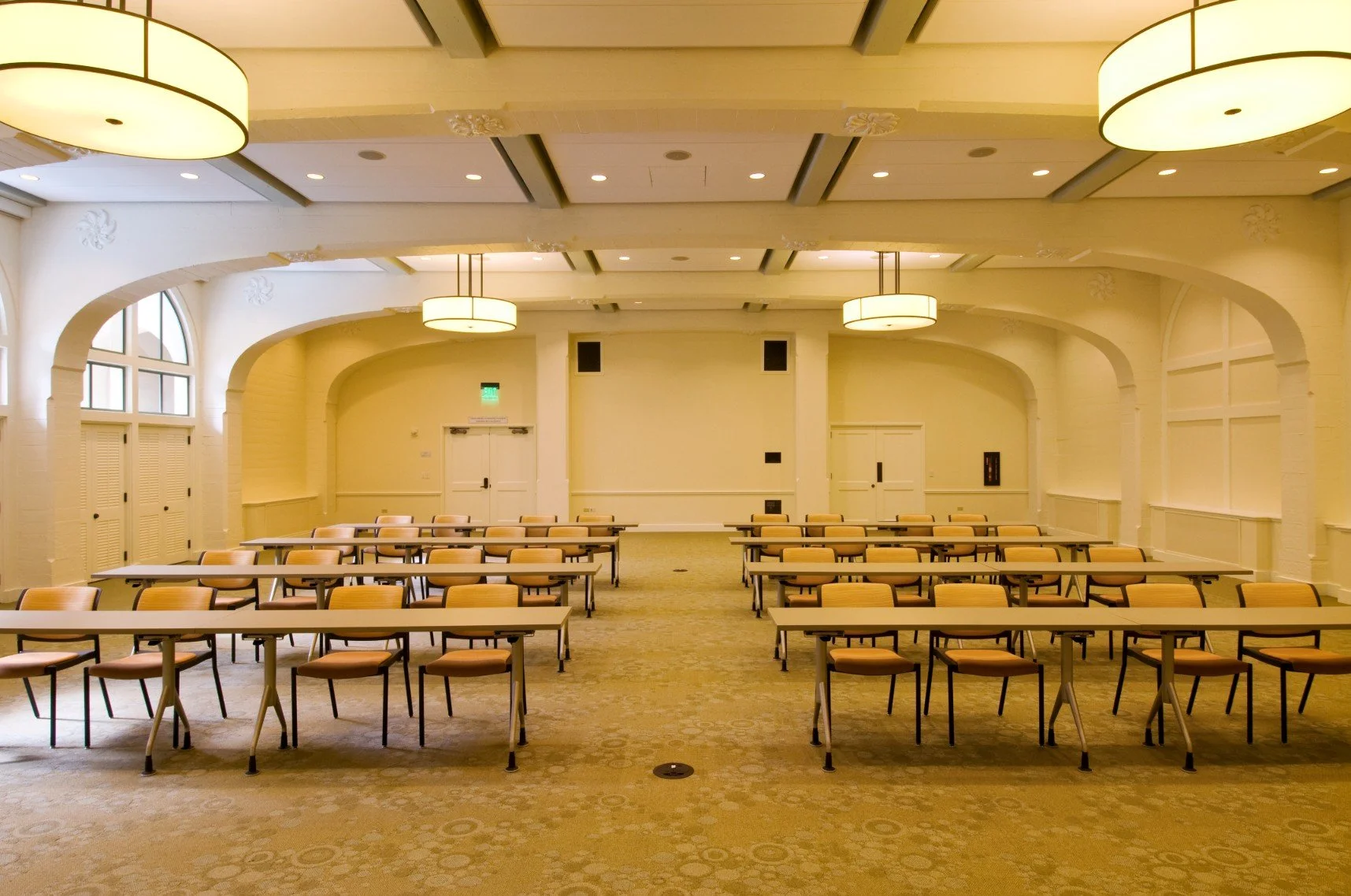
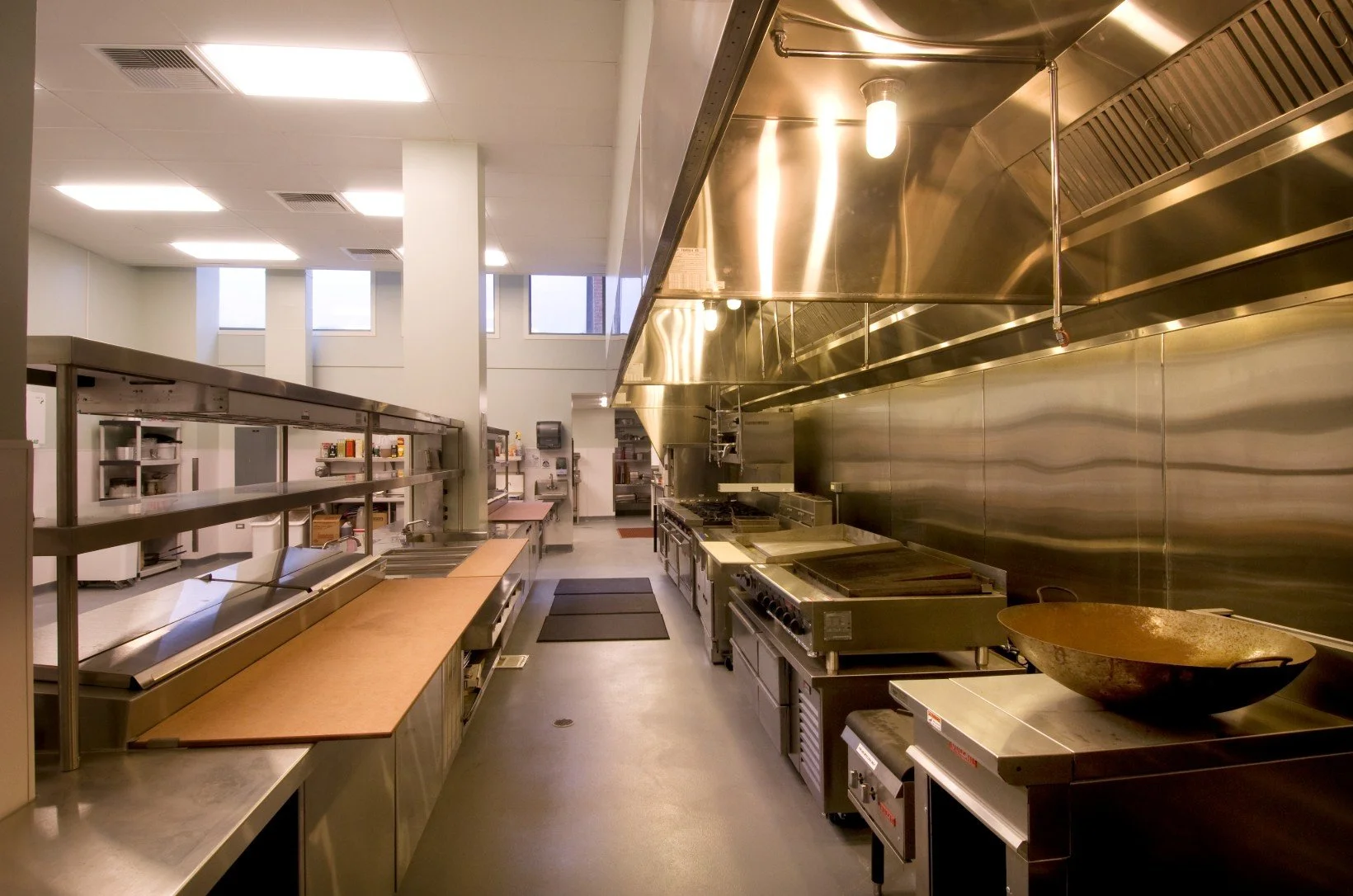
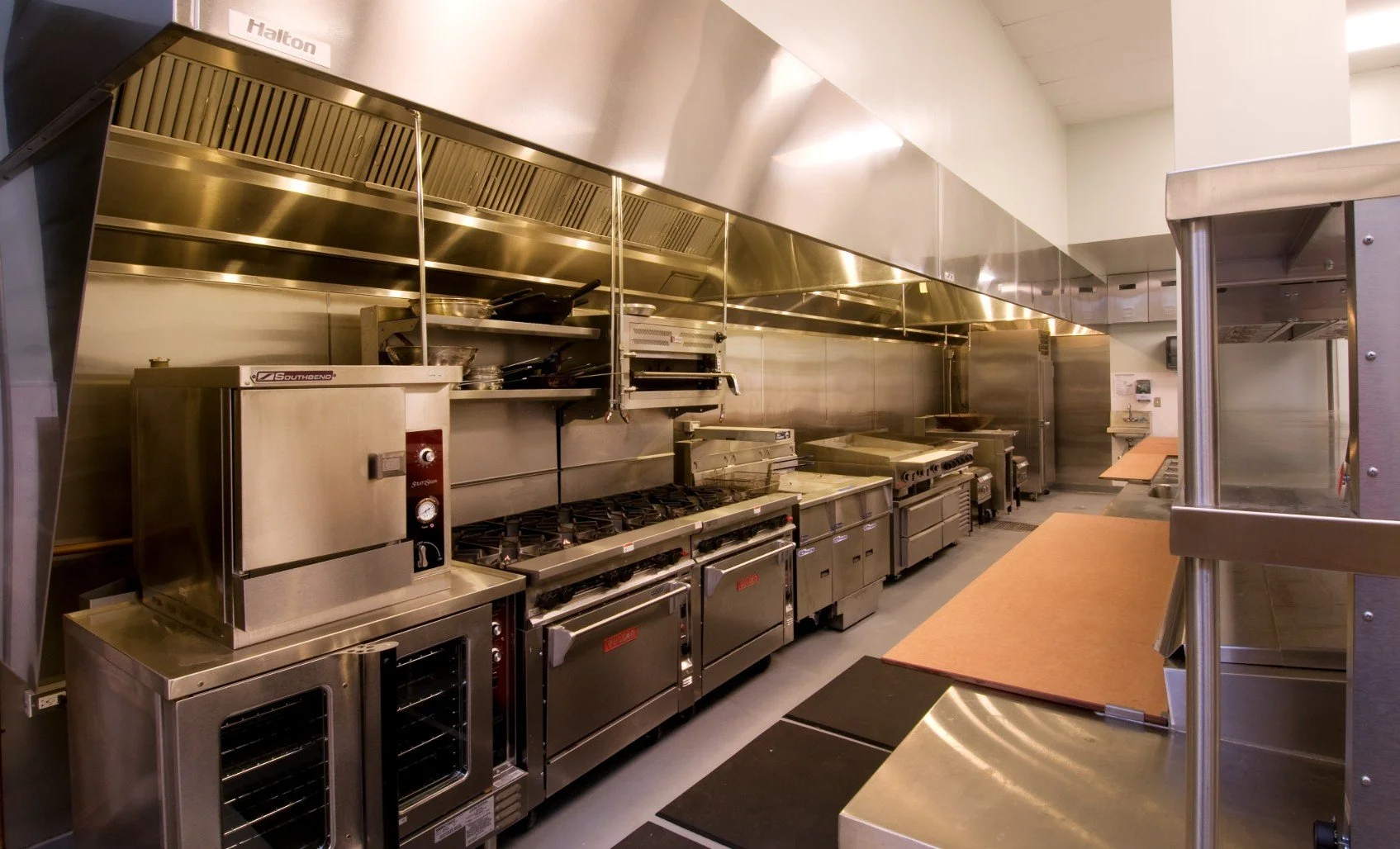
Laniākea, the historic flagship facility of the YWCA of O‘ahu located in Honolulu’s Capitol District, was designed by Julia Morgan and completed in 1927 as Hawaii’s first reinforced concrete building. Listed on both the National and State Historic Registers, the building has long required repair and modernization to better support YWCA programs. Through the “Power to Change” capital campaign, a master plan was developed to revitalize Laniākea and preserve its architectural integrity while enhancing its role as a Women’s Leadership Center. The first phase of renovations, totaling over 8,300 square feet plus 3,500 square feet of support space, focused on Elizabeth Fuller Hall, the Cafeteria, and the Kitchen.
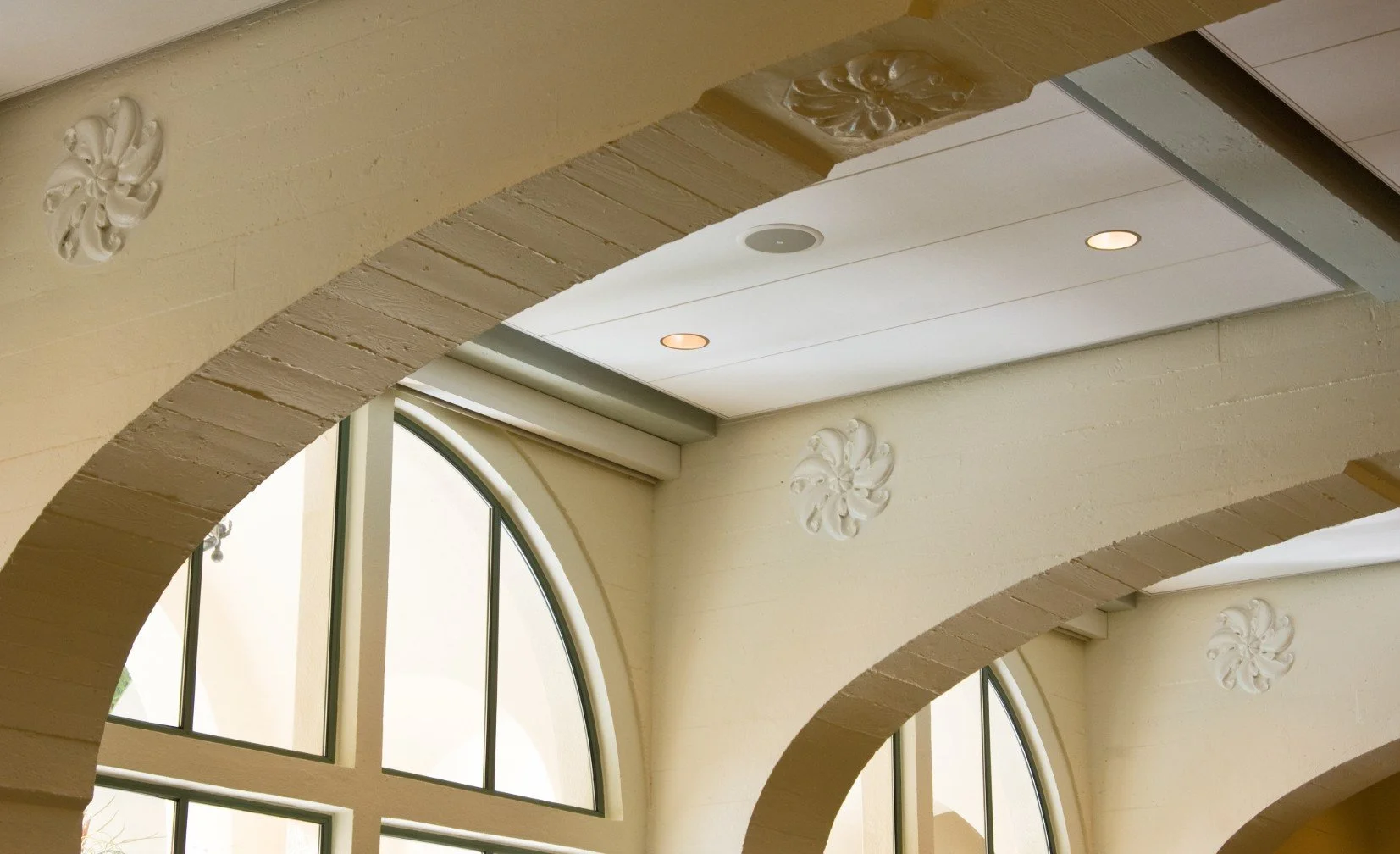
The restoration returned Elizabeth Fuller Hall to its original grandeur with exposed arched ceilings, improved acoustics, modern lighting, and unobtrusive air conditioning. The Cafeteria was brightened and refurbished with restored concrete floors, decorative screens, and historically accurate fixtures, while the Kitchen was completely modernized to meet current codes and expand capacity for dining and events. Key challenges included installing new cabling in the massive concrete structure, replicating historic details, integrating air conditioning without compromising aesthetics, and improving accessibility with a new elevator. These efforts ensure Laniākea remains a vibrant, functional, and historically significant center for women’s leadership in Hawaii.